Wednesday, April 23, 2025

Peoples Gallery component of B2 Unit

The peoples Gallery @ The Forum

If you look back at the assignment brief you'll see that there is a context for the work that you're producing for B2. The context or premise is that, whatever you produce for this project in terms of images, they could be potentially shown in a gallery scenario either to sell or simply use as a method to get noticed and promote yourself. Because this is a part of the assignment this has to be a component of your work. Therefore, you need to have as a minimum an explanation at the start of the project (Your intro page) where it outlines this idea/premise.

In your work you need to have a section towards the end where you demonstrate that you have knowledge as to how this would work... what would be involved if did to choose to do this as an individual or as a group. This ties into the fact that you will exhibit some of your work as part of the end of year show here at college. So the knowledge gained from the research will useful in terms of putting the show up. Furthermore, as a Uni student this is something you will do potentially each year, so this knowledge will be useful for your degree. The same knowledge is also useful to you as a practicing photographer as its something you may choose to do either to promote yourself or even sell your work as art. 

As usual, use images as much as you can where possible (Go and Photograph the spaces and how the work is presented). Collate a bibliography as you do the research too. The prompts provide a starting point, don’t leave this till the end do a little bit every now and then.

The People's gallery at the Forum

• Where is it?

• What does it look like and feature?

• What's been there before - what is the standard of the work like? 

• When is it available to use?

• How long can it be used for?

• How big would you work be (Size of images/frames)

• What work would you use?

• What you have an individual show or would you collaborate with others - who? 

• What would the work be printed on - what are you options? (Print space) costs/sizes.

• How would it be mounted - what are you options? (Print space) costs/sizes.

• What information is available on the Forum website?

• What information is available on the Southend.Gov website?

• Are there any admin costs involved - is it free?

• How would you promote the show - how might you do that - would there be any costs involved?

• Can you sell your work e.g. put prices on it?

• How will you pitch your prices - what are your audience demographic details? 

• Is there any support (Grants/Bursaries) available to help with the setting up of the work (Printing, framing and promotion). 

• Does the forum offer any help or support with the materials involved.

• Does the Forum have any directions and rules with regards the curating of the show

• What are the conventions with regards the exhibiting of Photography in such a space - hang line - standard approaches?

• Who has the responsibility for health and safety?

• Are the additional costs/rules or admin involved in having an private view?


This work also picks up criteria across AC1, AC2, AC4 and AC5


Thursday, January 9, 2025

Personal Progression

 (1).  Put your name on the front page along with the task title Unit B1 Personal Progression

What will I do at the end of my course? 

Write an intro explaining what your thoughts are with regards what you'll be doing; explaining that, in the following design sheet you'll be researching and investigating what your options are regards leaving college and going to work or Uni. 

My plan for this task - (What you'll explore and look at over the coming weeks)

Use this list below and write a plan (Not a bullet pointed list) a piece of continual writing


Plan detail... What I think /hope I'll be doing in a years time (Oct 2025), where you'll be, what you'll be doing in terms of your Photographic practice 

Plan detail... What I think/hope I'll be doing in 5 years time 2030 - post Uni or 5 years into your career as a Photographer, where you'll be living the kind of Photography you'll be doing. 

__________________________________________________________________________

University Research 

What dictates your choice of University - what do you need to consider. 

Geography/Location 
Specialism 
League tables (Search best photography courses in the UK)
The City/Town
Type of accommodation; Y1 at Uni is usually spent at halls of residence with other 'Freshers' Y01 students.
Night life - social life
Cost of accommodation 
Transport links
Parking 
Course facilities - darkrooms, studios, studio equipment, large format cameras, IT resources, printing, rooming, canteens
Big name lecturers and professors
Industry links - visiting professionals
3rd year work placements 
Alumni
Distance from your previous life - current friends and family 
Sports and Leisure facilities
Trips UK and abroad
Student support
Student Union
Crime Levels

3 Universities

Uni - choose 3 to look at and explore researching and analysing these details so as you inform tour decision. 

Make sure you keep the links to the websites you use and save as a bibliography (On a separate page). Use images, maps, league tables, reviews on student forums, what do students say about the courses. 

Once you start to visit the Uni's (You need to be organising this now) make sure you take pictures and collect information when you're there to enable a more detailed write up on the Uni's you visit. 

Those of you that are not intending to go to Uni at this stage - you only need to research 2 Uni's. We would advise researching our own degree course here at SEC. 

________________________________________________________________

Sole Trader 

What is a Sole Trader? How does the way they work differ from people that do PAYE jobs (Regular jobs 9-5). What are the legal obligations regarding tax, accounts and national insurance. How do they get paid, how does a Photographic Sole Trader find and generate work - what are the pros and cons of being a Sole Trader. What are the risks involved with working as a Sole Trader?

Explain that the majority of Photographers work as individuals or in small companies where they employ 1 or 2 people. Look at a local company and use as an example. If these companies go bust who's responsible for the debts involved that potentially follow? 

If you were to work as a Photographic sole trader - who might you also employ - what would your job look like to someone else would it appear to be easy? 

You need approx 200 words of your own explaining the above accompanied by images of Photographers working. 

____________________________________________________________________

PAYE Employment

What is it - what makes you a PAYE employee what are differences and benefits of being paid PAYE? What does a typical PAYE job look like and involve. 

Use examples of a Photography based job that would be PAYE, look for examples of jobs associated with Photography that are PAYE. In a studio such as Photographic Assignments where the owner is a Sole Trader - would his staff typically be PAYE or Sole Traders? Who might they work with and employ as a Sole Trader? 

What are the disadvantages and advantages of a PAYE employee? 

__________________________________________________________________________

Cruise Ship Photography 

This is an entry level Photography job that is a potential progression route straight out of Level 3. Research what's out there and available - screen grabs of jobs adverts and opening for this form of employment. Research whether its PAYE or whether you have to work as a Sole Trader on a self employed basis. What are the pros and cons and what do people say about it as an experience and method of getting Industry experience? What are the key learning aspects and does it make you more employable - does it lead on to other opportunities? 

What does the job typically involve and how much would you expect to be paid? 

What traits and characteristics are required to do well in the job? 

___________________________________________________________________________

Camp America (And similar)

This is an entry level Photography job that is a potential progression route straight out of Level 3. Research what's out there and available - screen grabs of jobs adverts and opening for this form of employment. Research whether its PAYE or whether you have to work as a Sole Trader on a self employed basis. What are the pros and cons and what do people say about it as an experience and method of getting Industry experience? What are the key learning aspects and does it make you more employable - does it lead on to other opportunities? 

What does the job typically involve and how much would you expect to be paid? 

What traits and characteristics are required to do well in the job? 

___________________________________________________________________________

PAYE Photography and Photography related Jobs examples and research  (Minimum 3) 

How easy is it to find a PAYE 9-5 style Photography job? Make a list of Jobs that are potentially available to you straight out of college with a level 3 education. Don't restrict this to simply Photography and assisting look further afield 


Look at the jobs listed towards the end of this post here 32 Careers in Photography | Indeed.com

___________________________________________________________________

AOP (Association of Photographers)

Have a look around this website and explain and analyse why it is of Potential use to you? Think in terms of wanting to be a Freelance (Sole Trader) Photography Assistant. What's on this website that would help you find success in terms of that career paths (Progression goal). 


There are masses of resources including listings of photographers and their contact details and their specialities.

___________________________________________________________________

A day in the life of a Photographer

To get a better sense of what's involved working as a Photographer research A day in the life of a photographer. Google 'What does a photographer do all day' and similar searches and you'll find lots of information. 

Think about a situation where you're shooting 2 or 3 days in a row and explain what you'd expect to see happening during the middle day. If you know anyone that works as a photographer or runs their own business ask them what they typically have to do during a busy week.

Look at this post here - what preceded this shoot, what would have happened on the day and the next day? Click on the image to see the post...


______________________________________________________________________

Day in the life of an Assistant 

As above but from the point of view of an assistant. Your research on the AOP website should help you with this.


___________________________________________________________________________

Reflection

The work has to be finished off with a reflection. Ideally you'd have 2 or three prior to the final reflection, but if you're doing this at the last minute I final reflection will be sufficient to enable a pass. The criteria if you are aware of it requires a 'Consistent' use of reflective practice in order to attain the higher grades.

The key things you need to be analysing in the reflection are... (Use these as headings)

What are my feelings with regards my future in Photography?

What are my progression goals now. Immediate, short, mid and long term (End of this unit, end of the course, Oct this year and 5 years time)?

What have you learned about yourself in terms of preparedness for the next move?

What have you learned with regards the how achievable your progression goals are?

What skills and knowledge do you still require to achieve your progression goals?


Wednesday, January 8, 2025

Website & Portfolio

 Write a detailed plan for this section of the work.

  • Intro; explaining the importance and the role of a website. Why do photographers need one how are they used, what's their purpose?
  • Explain the purpose of a portfolio and what a portfolio looks like and where are they seen?
  • Where does a portfolio fit into your progression plans - reiterate what your 1 year progression goal is and your 5 year progression goal. 
Follow this intro by writing a plan for your website researching activities. What do you think you need to research and make yourself a aware of. Do not produce a bullet point list. Write a continuous piece of writing that covers these listed elements below...

Start this section with "Over the next 6 weeks I will be researching" 

5 x websites
SEO's
Domains
Free website domain names v paid domain names
Availability of domain names
Costs of domain names
Professional paid for websites - pros and cons
Primary research 
File size capacity
Ease of use and editing
Customer support
Reviews of free websites
Reviews of paid websites
Examples of 'off the shelf websites'
Examples of professional photographers websites
What other pages are seen on websites
Home page info
About me info and examples
Do free websites allow me to sell my work - what's involved
Layouts
Use of colour
Use of font
Integration of social media
Do people group images in sets
How many images on a website -what's too much or not enough
What do people want to see
What am I aiming to promote sell with regards me and my skill set
Who can I ask for primary research
What resources can I use for my research
How can I accelerate and learn to compile my website
Are the instructions easy to follow

Once you written up your plan - put it into action and do the things you say you're going to do. 

_____________________________________________________________________

Pick 3 Free websites as a minimum and research them in terms of their usability, variety of option in terms of off the shelf designs. Find the pre-designed templates and using screen grabs show how varies the websites can look. Do trust pilot and other reviews to see what people say about the websites, 

Look at review websites .... 5 best free websites and similar and see what they say about your chosen three websites. 

What is CMS (Content management systems)


Monday, November 11, 2024

Reflective Practice B1 B2 'Booster Prompt'

(2nd year work).  In conjunction with your research analysis, you could add the prompt...

"What does this involve"?

So this would involve you explaining and demonstrating far deeper knowledge around professional practice and knowledge about how a picture from a shoot comes together.


La Jument - by Jean Guichard 1989 - click on Image for source/website

For instance this image - what would be involved in the production of this set of images? So, imagine that you where that photographer - what was involved in shooting it. All the research, planning, equipment, resources and people that had to be involved so that it came together. How broad is the knowledge required to execute this shot? 

Search La Jument using Google maps to see where this was shot. 

This is optional and needs to be applied to your own research images if you choose to do it.

Friday, June 21, 2024

Y02 B1 Unit activities

Research and Identify the following project management methodologies 

  • Agile
  • Kanbam
  • Scrum 
  • Waterfall
Using lots of images identify this work in your S&K design sheet. Try and produce at least a whole page. Use the diagrams that typically illustrate the stages within the process as well as a screen grabs of the basic premise of the methodologies. But to get value of the work - compare and contrast the different approaches and comment on similarities with our own methodology used to produce your projects. Also discuss how these approaches might work in terms of setting up a Photography business or may implemented in conjunction with organising your UCAS Uni applications. 


____________________________________________________________________________

Association of Photographers - entry route for employment as an assistant 


Conduct research into the AOP. Use lots of images along with annotations demonstrating that you're aware of this website and the potential of the website in helping you find work and employment within photography. This is a massive resource and could be integral to your future success. Look particularly at the find a photographer link and how that can be used. Also consider the AOP find a photographer link as one of the options for your research when you research your photographer in conjunction with your practical work. These are useful in that they're pretty local to you and that they're currently working. 

__________________________________________________________________________________

Focus of your work. 

(Continue with your 5 x Uni research work) if that's done - Research the differences between HND's and Degrees and what follows these course if you want to stay in academia - MA's (Masters degree) and PHD's (Doctorates). How might these fit in with your progression goals? 

Also look at which Universities run the BIPP PQE course - this follows on from HND's and Degree programs and is a professional vocational course run by the British Institute of Professional Photographers.

Write a Reflection on how your Uni research is going -

  • Are you any clearer on where you might go?
  • Has your mind changed about going to Uni
  • Has it affirmed your choice of not going to Uni - if so what are your Progression goals now if you're not going to Uni.
  • Where are you at with all of these important decisions? 

University USP's - 

If you are getting nearer to making choices about potential Uni's - what are your Uni's USP's (Unique selling points) Explain why you're enticed by your most likely choices. (This could be part of your reflection) 

_______________________________________________________________________________

Self-directed project status. 

2 and a bit weeks in and you should have completed your research and your post-research reflection. You've all got image from the white-board with details that relate to the things that need to be included in your research if you're looking to attain the higher grades. 

A new layer of depth has been added to the post research reflection and this is detailed in this post here

Level 3 Photography resources: Post Research Reflection (bteclinks.blogspot.com

*Note the Progression value aspects are only required as a part of the Post research reflection and your final reflection. It's optional elsewhere e.g. during the development of the project. 

_____________________________________________________________________________

Portfolio and website task...

Now that you've got all of your folder sorted of all your images shot over the summer and in the first year, you should be in a position where you've sorted the best 8-10 from each of these shoots and saved these in a sub-folder. The "Besties" in each of these sub-folders now need to be used in 2 ways...

(1). They need to be printed off either in college in the way that has been suggested or by using a service such as 'Freeprint'. From each of your sets of 'Besties' print 4 or 8 images that will work as a set. Hopefully you'll have 60 or more images to show others and get feedback from. Get people to write on the back of the images the ones that they feel are your strongest images. *Make note of what they say in terms of why they're good enough for your portfolio or weak shots and should be discounted.

(2). The images that are in your "Besties" folder, now have to be imported into your design sheet - one set per page (You might have to use 4 columns). You should add commentary relating to your thoughts on your images why they work/don't work as a set. Can you get 4 images that are all horizontal or vertical format - is this necessary in your opinion - what others think? Will it matter as much with a website? 

High-quality prints - 

Compare Fine Art Papers | Art Print Samples | theprintspace


Get your Printspace sample pack that you bought at the start of the course and look through the samples and choose 4 that you might consider using for your portfolio. Analyse them in terms of the papers quality and it's tactile properties, consider if they were handled constantly at interviews would they get damaged? Do you need to get trans sleeves for them to protect them or are they robust enough to be handled constantly? 

Dedicate a column to each of the papers or more if you like and show that you have good knowledge of these products. Add this work to your S&K design sheet as well as recording in your portfolio design sheet. 

____________________________________________________________________________

Focus of your work. 

University research

Location - Distance and travel issues, costs involve going back and forth.

Location - Is it in a City - what's there and is this a factor - Leisure and sports facilities shops, shopping malls, pubs, clubs - is the city a bus ride from the campus. Will you need to take buses everywhere - are they subsidised, will you cycle - how many cycles are stolen in the Uni City. Cost implications of a good bike lock. Maybe also look at general crime figures. Insurance for stuff at Uni.

Location - Is it near the stuff you photograph, I chose Plymouth in part because I knew I'd be able to get to beaches to photograph surf, beaches and beautiful landscapes. Does your Uni enable opportunities to support and improve your photography? 

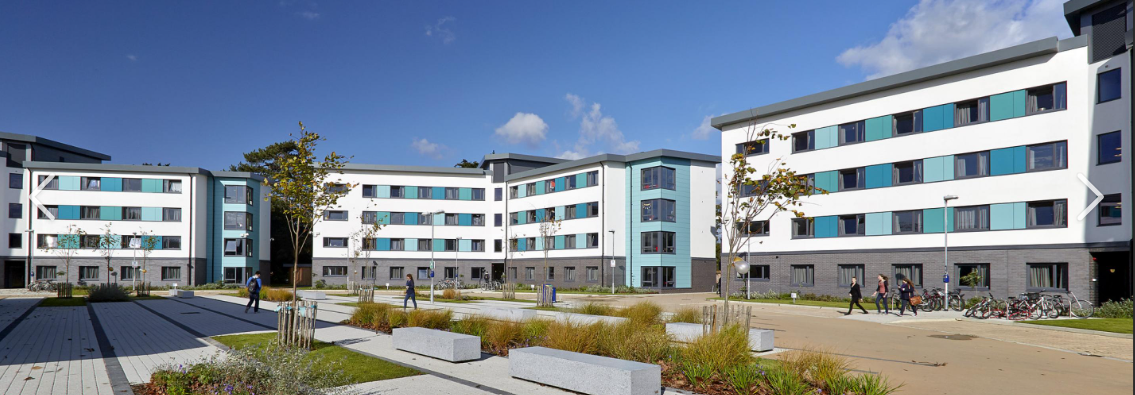
Location - Where are the Halls of residence that you'll live in, in relation to the Uni campus? Check to see if your subject is taught in a satellite campus? 

Find Student Accommodation Bridges Hall, Reading | UCAS

UAL talk in the Pod - what did you think, where you encouraged or put off by it, did you feel like you were the type of student they were looking for. Analyse and discuss *This is primary research. 


______________________________________________________________________________

*Scroll down for previous posts 

Current work you need to be producing - 

Activity/Intention - Investigate the cost of having an A3 portfolio box with 20-30 high-quality prints from the print-space presented in archival quality trans-sleeves. 

The London Graphics centre (Covent garden) See website 

Printspace 

The other thing you need to be doing is compiling and bringing together all of your shoots that are being considered for your portfolio. You need to organise your shoots into named folders on your Onedrive and record your process showing and explaining how your workflow system works (Screen grabs and annotations). 

Within these folder you then need to pick 8-10 of your best shots. These then need to be printed off using a service like "Free-Print" of the simple nesting system used within windows to print off 4 images on an A4 sheet as demonstrated...


_______________________________________________________________________


University Research____________________________________

What dictates your choice of University - what do you need to consider. 

  • Geography/Location 
  • Specialism 
  • League tables (Search best photography courses in the UK)
  • The City/Town
  • Type of accommodation; Y1 at Uni is usually spent at halls of residence with other 'Freshers' Y01 students.
  • Night life - social life
  • Cost of accommodation 
  • Transport links
  • Parking 
  • Course facilities - darkrooms, studios, studio equipment, large format cameras, IT resources, printing, rooming, canteens
  • Big name lecturers and professors
  • Industry links - visiting professionals
  • 3rd year work placements 
  • Alumni
  • Distance from your previous life - current friends and family 
  • Sports and Leisure facilities
  • Trips UK and abroad
  • Student support
  • Student Union
  • Crime Levels
5 Universities
If you intent to go to Uni - choose 5 to look at and explore researching and analysing these details so as you inform tour decision. 

Make sure you keep the links to the websites you use and save as a bibliography (On a separate page). Use images, maps, league tables, reviews on student forums, what do students say about the courses. 

Once you start to visit the Uni's (You need to be organising this now) make sure you take pictures and collect information when you're there to enable a more detailed write up on the Uni's you visit. 

Those of you that are not intending to go to Uni at this stage - you only need to research 2 Uni's. We would advise researching our own degree course here at SEC. 

_______________________________________________________________________________

Digital portfolios on-line________________________________

(1). Research into options for on-line methods for presenting and distributing your portfolio on-line. Find examples of websites, Instagram, Linkedin, Tiktok and facebook and others if you can source them. Copy the interface and examples of the web pages - review the options in terms of pros and cons. What do you like, what don't you like, what looks cheap and nasty and unprofessional and what do you think is the industry standard.

(2). Make sure you look at some big name photographers or current photographers who work for Vogue, what's their approach - do they use multiple platforms or just one - is there a sense of design across the platforms? 

Do many serious photographers use Tiktok? 

What do you think your approach would be if you were looking to have your portfolio on line and why?

_______________________________________________________________________________

(1). Write up the first section of the personal state, the majority of you have made a good start, the bit that needs to be focused on is section 5 relating to proof that you understand the importance of photography. Aim to write a short paragraph. 


In the Portfolio and Website design sheet             

Make a start on showing you have knowledge of the range of Hard-copy portfolios. Your commentary should examine and analyse their worthiness in the modern age. Does anyone want to see hard copy portfolios? Who might? (One example was spoken about and there's another on the white board at the moment). Use images of the types that are available - write about what's involved in their production (Costs of prints and the portfolio itself). 

Are they still relevant in photography or has everyone adopted digital methods? What do other students do - Graphic designers, fine artists, fashion and 3D students? 

Does anyone in industry want to see hard-copy work?

Do Uni's want to see hard-copy work? 

Ask Andrew Dee and Sophie on the 5th floor? What do other lecturers say?          

*Do not copy any answers you find on line word for word. Read any info you find and write it up in your language - supplements with supporting info from your lecturers and other people you ask. 

___________________________________________________________________________               

B1 is made up of 4 separate bodies of work (Design sheets).

1. The personal project this you can start now (Optional). This is a project on a theme of your choice that you have to develop and experiment with over the coming months and is handed in before Christmas. The current suggestion is that over the summer you come up with a theme or subject and research two photographers. If you're really enthusiastic and want to get ahead of the game - do the next step and write up the Post research reflection

2. Portfolio & Website this runs from Sept to December. You record your process of collating your images to form a range of different types of portfolio and a website. This involves researching a range approaches to promoting yourself, the pros and cons of each approach including what's on offer, the costs and aspects such as design and corporate identity. 

3. University & Work this runs from Sept to December and involves writing the all important personal statement as well as a CV. You also explore and research what Universities and jobs are out there, what they offer, how much it'll cost, what you need in terms of grades and skills to access them. Plus so much more, all of which needs to be recorded and reflected on.

4. The skills and Knowledge design sheet (S&K). You'll continue to add to this all the way through the year when you gain generic knowledge and skills that are not directly linked to your other 3 projects. 

Now and soon____________________________________________________________

https://bteclinks.blogspot.com/2023/09/progression-to-y02-project-big.html

September: One of the priorities will be to write your Personal statement which doubles up as a draft cover letter for those of you that do not have Higher Education (University) as your progression goal/aim 

We aim to have the personal statement written up within the first 2 weeks and out of the way and sent to James Burgess who oversees and checks this process.

Tuesday, May 21, 2024

Progression to Y02 project - The Big Practical Project and more

Updated 28/6/24

(Summer Part 1)

Portfolio Fillers x 5

Pictures only

You need to shoot 5 or more sets of images for your portfolio. This  will only require a simple approach focused on simply taking pictures and getting them down-loaded and into a named folder in your Y02 folder.

 Make use of the good summer light, try and do something different, but still in-line with your overall career/University progression goals or maybe broaden your scope?


(Summer Part 2)

The Big Practical Project (Optional)

You decide the theme/subject, the work simply must be representative of your skill-set and your chosen specialism. 

This will require research into 2 photographers/artists associated with the specialism you will have chosen and identified at the end of the first year that your work generally gravitates towards. The research needs to be high-quality as it will need to meet the 2nd year standards. 

The research will then need to be reflected upon analysing why it will be of use to you in terms of inspiring your project and generating ideas. You also need to clearly state your Intention and where your work fits within an operational context (What kind of work it is, where it would be seen, who might the client be and the audience). 

Once back in September... (Unless you want to make a start over the break)

Over several stages, you will need to Plan - Execute and Reflect on your work as you bring it together, experimenting, trying different approaches, developing, refining and improving your work. This work will be on-going through Sept, Oct, Nov and December with the potential that the shoots you do feed into your portfolio and website. 

The rationale...

The bulk of the work you have to do in the period between September and December at college is primarily researched based. You'll be researching your options for when you leave college - Universities, Assisting, Gap year, Camp America, working on cruise ships, FT employment, freelancing, apprenticeships and internships; along with bringing together all of the work you've done over your time at college to form a range of different portfolios and a website to cater for different types of employers and universities. 

See team under files for the summer project brief. 


Thursday, April 4, 2024

Reflective practice (Final)


Final Reflection at end of project

Use the 3 basic initial responses – keep these to 2-3 sentences…

(1)     What happened.

(2)     How do I feel it went

(3)     What was good/bad (Don’t emphasis the bad too much)


Analysis This the important part and can be exhaustive and detailed.

Use the headings in Blue in your work and write up your response below the headings.

What value was there in producing this work

What value was there in producing the work for this task. Discuss this using these sub-headings…

·        Professional practice

·        Technical skills

·        Experimentation

·        Problem solving

·        Communication

·        Understanding of your use of light

·        Portfolio ready images

Operational context (Purpose and function of the work)

Do you feel that your work is fit for purpose in terms of the context you’ve identified. Does your work look like it could be used professionally in the context you’ve identified? It might be useful to use a professional image in your work alongside one of your finals and compare and contrast. How do you feel yours compare, what more could you have done to bring it up to a similar standard of the professional image?

Progression value

Finally, discuss your work in terms of its impact on your progression goals. What value does this work have in terms of your…

·        Immediate progression goals

·        Short term progression goals

·        Mid-term progression goals

·        Long-term progression goals

Wednesday, April 3, 2024

Reflective practice - (Practical work)

 Updated 24/1/25 (additional component) 

Practical work Reflections (Produced each time you shoot a set of images or produce some significant post production work).

Use the 3 basic initial responses – keep these to 2-3 sentences…

(1)     What happened.

(2)     How do I feel it went

(3)     What was good/bad (Don’t emphasis the bad too much)

Analysis This the important part and can be exhaustive and detailed.

o   What value was there in producing this work? What have you learned? Each time you produce practical work its essential that you should challenge yourself and do something that enables improvement (Development), a different approach, additional use of equipment or experimentation. What did you do that was new, what did you learn, why was it useful in terms of your technical knowledge and abilities, discuss professional practice aspects, lighting and problem solving especially. How does this work lead into the next shoot (Development) - how are they connected? 

k

o   Are you sticking to your initial intention? Are you still sticking to your initial idea. This is usually discussed on shoot 2 and beyond where your idea might have developed in terms of the idea. If the idea has developed, this needs to be discussed and explained in your reflections.

o   Operational context How is the work shaping up in terms of its fitness for purpose? You’ll have explained in your plans your operational context – why does it suits this scenario? Is the equipment and your choice of MTP's in-line with industry expectations or are you just experimenting and exploring options at this point? 


o      If for instance you’ve said your work is ‘Editorial’ explain how and why, what is the context – what would accompany the work in terms of the associated written content? Be critical in terms of the quality and aesthetics – does it look professional – at this stage can you imagine your images on a website or magazine – are they good enough? Explain what improvements need to be made or why you think they’re professional standard at this stage.  The same approach has to be applied to whatever operational context you’ve identified your work.

o   How does your work support your progression goals?

o   Discuss this in terms of Immediate, short-term, mid-term and long-term (See the blogpost on progression goals.


What could I have done differently to improve the work?

This can be written about in terms of the technical and visual aspects and your idea. 


Tuesday, April 2, 2024

Reflection (Post research)

 Reflection (Post research)

This work needs to be produced in the first week after you've completed your research work.

Post research Reflection (used after the research -connected to your first practical task)

Use the 3 basic initial responses – keep these to 2-3 sentences…


  • What happened.
  • How do I feel it went
  • What was good/bad (Don’t emphasis the bad too much)


Analysis This the important part and can be exhaustive and detailed.

What value was there in producing this research? It’s essential that the research informs your own work, you should clearly explain what was useful relating to the research and how it will be used in your first practical response. What are you going to be borrowing from the research – how is it going to influence your initial idea?


How does your work support your progression goals

Discuss this in terms of Immediate, short-term, mid-term and long-term (See the blogpost on progression goals.


This should take around 30-45 minutes to do and should follow all of the research you do for any independently produced work. This helps to meet the criteria for AC1 Informing ideas, AC2 Problem solving and AC5 Communication. 

Wednesday, August 23, 2023

Portfolio and Final Images

 As you complete each of the tasks you should end up with a set of finals for each of the projects.

(2 finals for the Pinhole project)

These finals should be produced to your best ability and should be kept for consideration for inclusion in your portfolio which you will start to put together at the start of the 2nd year.

Therefore it is important that you save all of your finals in a separate folder on your One Drive called portfolio images or Finals.

If the final images are hard-copy you need to scan the finals in a different way...

How to scan finals

Using either the flatbed scanners or the photocopier machines, scan the images as TIFF files in colour at a resolution of 600 dpi/ppi. Save these files and name them appropriately in the portfolio images folder.

The same images need to then be included in your design sheet at the back in the pages before your final evaluation. You can either make a second scan at 200 dpi/ppi (Colour) saved as a JPEG for use in your design sheet. The ideal method of presentation is to present these images in your design sheet like this...


The space at the bottom of the page beneath the image should be slightly bigger than the white space at the top of the page. 

Try and present the work in a uniform way e.g. the same size within the page and the picture the same kind of proportions.

If you're using word for your design sheets in the picture formatting settings you'll need to use the "Fix the position on page" option.

Tuesday, August 22, 2023

Gimp Image Editing software

 Gimp is a free software/app package that allows you to edit and manipulate photographs. If you've not got Photoshop at home Gimp may be the answer to allow you to work with your images?

Click on the image below to go to the website to download and try.


Have a look at some Youtube videos like this one below to learn how to use Gimp.

https://www.youtube.com/watch?v=LX-S1CX1HUI


Y02 - B2 Unit

 B2 kicks off in January and is a series of 2-3 wholly self-directed projects that incorporate elements of everything that you've previously learned across the 1st and 2nd year. 


It's heavily loaded in terms of points whereas all your previous units were 1 point of a pass, 2 for Merit and 3 for a distinction this unit is valued at 3 for a pass, 6 for a merit and 9 for a distinction and can make a significant difference to your final grade.

  • From Jan to the Feb half term you work on Project 1.
  • From Feb to Easter you work on Project 2.
  • From Easter to the end of the year you work on Project 3. 
Project 3 is either a new project or a continuation of project 1 or 2. The decision as to what you choose to do for project 3 is generally done in conjunction and agreement with your lecturer.

Important: The most important aspect of projects one and two are that you focus on the research and the generation of your initial idea and starting point. This has to be done in week 1 otherwise the impact on the projects is detrimental to the development of the project. With this in mind, you should spend time considering what your idea and theme might be over the Christmas break...

  • What are you going to Photograph - what will your theme be? 
  • Consider that you'll need to be able to photograph your subject/theme several times over the duration of the project and therefore it needs to be accessible during your days off unless of course you choose a theme that is easily shot in the college using the resources and people in the college. 
Step 1_________________________________________________

Produce an intro page with the Unit name and number, your name and consider using the criteria as a part of your intro in order reinforce and remind yourself what it is you need to do and cover during the production of your work. 

Add to that your interpretation of the "Client and context" explaining that this is the premise of your work along with the potential 'Operational context' of your work...

(Plan/intention) My initial idea is that I'm going to try and produce a body of work with the theme of cricket potentially focusing on the people involved, but not exclusively, I'm going to be open minded at this stage with regards how the project will pan out, but given that my long term goal is to work in Editorial photography and perhaps also sell some of my work if suited as fine art photography I feel that this theme allows the flexibility for it to develop in a range of ways and allow for an array of different approaches and experiments. Towards the end of the project I'm hoping the work would have developed to an extent that I would feel confident that it would also be suited to for a submission to the Doncaster art fair. 

To this end I'm going to probably research photographers that produce portraits on location using available light and possibly sport photography in some form. 


Step 2_______________________________________________ 

 Produce two bodies of research on 2 artists associated with your theme. 

 1 x page of images associated with the body of work that you've used for your research.

1 x page of detailed commentary (Research) on (a). how the Photographer generates income as a photographer, who their clients are, who their audience is and what the demographic details are with regards the audience. (b.) Details relating to how the image works in terms of 'Communicating' meaning, message, narrative and mood (Visual language). *This can extend to the 3rd page.

1 x page of the visual evidence to support your claims with regards how the photographer make a living... Front covers, client lists, published books, sold at auction screen grabs, magazine and website articles showing their work, client lists, gallery and show lists, images of their work in galleries and details about the individual sales of prints sold via either auction websites or their own websites. Also images of them at work (Studio or on location). 

*Note further research can be added at any point in your work at the developmental stages if it further informs and influences your work. I needn't be as comprehensive as the first two bodies of research and can be a columns worth of research. 

Step 3_____________________________________________

The post research reflection

This is important and should be done in the first week as soon as you have completed the research. You need to reflect on the usefulness of the research in terms of its value in giving you ideas or reinforcing any ideas first discussed on the intro page. What have you seen or read, that will now inform your work and feed into the first shoot you'll be doing? 

Has it changed in terms of your plans/intention mentioned in the intro? If so how? 

Operational context Where does the research leave you in terms of your operational context? Reiterate what type of photography you'll be producing , mention the types of scenarios your idea might be seen and used at this stage. What will the work do in terms of skills acquisition - is there any new learning going to be involved or is it consolidation of skills? Will it offer opportunities to get experimental? How will you be challenged? Is the work likely to support your portfolio - where does it fit into your progression plans - what's its purpose?  

Problems Has the research and your idea as it stands high-lighted any problems and does it therefore allow you any opportunities at this stage to discuss problem solving? 

See below for further descriptions of the post research reflection

Level 3 Photography resources: Reflection (Post research)

Step 4______________________________________________

The developmental practical work 

Aim to produce one shoot per week using experimental approaches, looking to evidence a good range of skills and technical knowledge whilst developing and exploring your idea. Each shoot needs to be planned meticulously and followed by a detailed reflection - see the link on the right-hand side of this page for links to how to produce the plans and reflections. 

Make sure you bring the work to a logical conclusion and produce a final Reflection prior to the deadline. * Keep in mind you have 5-6 weeks on each of these tasks.

S&K Work_______________________________________________________________

One of the key parts of your S&K work will be your research around the idea of exhibiting at The Peoples Gallery at the forum. The same research will fishtail into the work, expectations and preparation for the end of year show here at the college in June. 

This research needs to be in enough depth to demonstrate that you have good knowledge of what's involved in producing a show using The Peoples Gallery space. The research has high value in addressing criteria across all of the assessments AC1 to AC5.

Remember this is to be produced as a proposal, unless of course you see real value in it and as a result of the work decide that you  want to go ahead with this and put the proposal and research into practice once you leave college. 

Aspects that are required.

  • Where is it?
  • What does it look like and feature?
  • What's been there before - what is the standard of the work like? 
  • When is it available to use?
  • How long can it be used for?
  • How big would you work be (Size of images/frames)
  • What work would you use?
  • What you have an individual show or would you collaborate with others - who? 
  • What would the work be printed on - what are you options?
  • How would it be mounted - what are you options?
  • What information is available on the Forum website?
  • What information is available on the Southend.Gov website?
  • Are there any admin costs involved - is it free?
  • How would you promote the show - how might you do that - would there be any costs involved?
  • Can you sell your work e.g. put prices on it?
  • How will you pitch your prices - what are your audience demographic details? 
  • Is there any support (Grants/Bursaries) available to help with the setting up of the work (Printing, framing and promotion). 
  • Does the forum offer any help or support with the materials involved.
  • Does the Forum have any directions and rules with regards the curating of the show
  • What are the conventions with regards the exhibiting of Photography in such a space - hang line - standard approaches?
  • Who has the responsibility for health and safety?
  • Are the additional costs/rules or admin involved in having an private view?
Then reflect on the research discussing how viable the proposal is as a means to market and sell your work? Would the set up costs be offset by print sales. 


Tuesday, July 18, 2023

Progression goals (AC:1)

Updated 20/1/25

Progression goals (AC:1)

 In the criteria for AC1 is the wording “Plans for Progression”.

One of the key ways of addressing this in your work is to incorporate it in your reflective practice under the heading analysis using a sub-heading "Progression goals".

Minimum requirement –

·        Post research reflection (Discussing the use/value of the research in terms of your progression).

·        Final reflection at the end of the work (Discussing your practical work and the learning and acquisition of skills and knowledge in terms of your progression. 


 E.g. progression on to University or Employment. (Click image for source of image). 

You could break down your progression goals into 4 differing types...

  • ·        Immediate goals e.g. Completing the task/unit you're currently working on at a high standard.
  • ·        Short-term goals e.g. Producing high quality finals for each task and completing year 1 to a high standard.
  • ·        Mid-term goals e.g. Completing the qualification and being able to access University, assisting work, apprenticeships or internships.
  • ·        Long-term goals e.g. your dream job - Fashion Photographer with own studio, travel photographer who travels all round the world.

Progression - because you've signed up for a Photography course at level 3, the expectation is that you have plans to progress onto becoming a Photographer or to do a HE (Higher Education) course in Art or more specifically Photography (Degree/HND).

Your Reflective commentary needs to discuss your works impact and value in terms of how is it  helping you towards becoming  a better photographer/Photography student in the nearer term through to the longer term goals of HE education or work. You have to show that you comprehend why you’re producing this work and why it’s of some value in developing your knowledge/practice/skills on the journey to becoming a photographer.


In class tasks (ICT's)

 ICT's (In class tasks)

Details about how you use and record these and their potential value.

2024-2025

The ICT's are generally either photographic or practical activities that are 'General skills based sessions' that are seen at points throughout the 2 years.

These need to be recorded in your Skills and Knowledge (S&K) folder in the technical section. 

Generally, you'll take a series of pictures or you'll make prints in the darkroom using specific techniques, materials or papers.

Minimal expectation - The images you create need to appear in the design sheet with explanations as to what you did, how you did it and what materials, techniques and processes were used.

*Maximum benefit can be added, by going a step further by adding...

  • Mini-research on photographers that use the same or similar approach/technique with examples of their work. 
  • A plan 
  • A larger selection of the work and details of any photoshop or post production learning involved.
  • A reflection discussing key elements such as...
    • Where this type of photography could be seen in an operational context  operational context. 
    • Who typically might be the clients
    • What themes could be communicated effectively using this technique/process and why this might have benefits over using a more conventional approach using a DSLR.
    • Demographic details relating to the audience for this type of work

*Optional 


Monday, July 17, 2023

Demographics


Demographics are the statistical characteristics of a population, such as age, sex, race, ethnicity, education, income, and occupation. Demographic data can used to understand the population's needs and interests. In terms of this course, basic understanding of demographics allows us to identify who buys, commissions, views, accesses or has some knowledge of the types of photography you're researching or producing.


Demographics are important for a variety of reasons. For example, demographic data can be used to:

  • Understand the population's needs and interests. For example, demographic data can be used to determine where to set up photographic businesses such as studios or galleries. Demographic data can also be used to develop marketing campaigns and products that are tailored to specific population groups. Demographic data can also influence the type of work you might produce in order to generate sales of Photographic are work. 
  • Make decisions about who to target in terms of where you might sell your work. For example, demographic data can be used to determine which communities have more access to expendable cash and are likely to buy Photographic art, or commission photography.

You'll generally be analysing demographics when you discuss the audience for the work you research - who uses, accesses, sees, buys or commissions it. A key part of making these judgements is finding the prices of the work especially when it's Photographic Art. Use the "Sold at Auction" prefix in conjunction with the Photographers name and then be realistic about the audience given the price of the work.

Also consider the image content when making this judgement. Is the work accessible in terms of it's visual aesthetics - think Gursky's Rhine II (Below). 


One of the greatest photographs ever taken, valued at over £4.3 million, but completely baffling to anyone without being educated in Photographic art.

If you consider the classic demographic attributes - age, sex, race, ethnicity, education, income, and occupation, you can start to make sense of might use/buy/access this type of work.


Sunday, July 2, 2023

Objectivity in Photography

 This can be added to your knowledge and understanding of Objectivity in Photography.


If you watch the Becher's video, this method of shooting the same thing and presenting in composites as a  Typology is a useful method for producing your work later in the course. Fashion images potentially if developed further could incorporate this approach. 
__________________________________________________________

The theme this week is Objectivity in Photography 

For the most widely known example of Objectivity in Photography think back to when you most recently had your passport photography done, or if you've not had one done recently, find a booth and go through the experience of being photographed objectively. See this link here for the instructions for Passport photography. 

_____________________________________________________________________________________________


The Bechers            Click on the image for the video.


These prompts are also useful for your research work. (Similar prompts worded differently). 

(1).  What kind of Photography is it, what was it's purpose when first produced in the 1970's. What has it become and how are these images used now? 

(2).  Was the work commissioned or was it a part of a personal project? Was it successful at the time or did the work become increasingly well known - how famous or important has the work become and where is it seen nowadays? 

(3). Who see's this work, where is it seen - Galleries, books, newspapers? What demographic groups would be interested in this type of Photography? What newspapers feature art and Photography and what does that tell you about their readership?

(4). Processes. If you watch the video, they talk about a number of processes used to create these images... Waiting for specific light and weather conditions, the use of presenting the images as Typologies, using lenses in particular ways to create a certain end result. Use of two tripods and more. 

In the next few days I'll go over this in one of the sessions. Work on it as best you can in the meantime.
________________________________________________________
Thomas Ruff

Thomas Ruff is your 2nd Photographer, watch the video's below and use the prompts in the side-bar to generate your written responses. Where possible use the prompts that generate written responses with regards to why the images were created - what is it he is trying to achieve and how does it connect to the Becher's approach? Also use the 4 prompts above to explain the work in terms of their operational context, clients and viewers. 


Below this link is potentially the most useful as it is an interview with the photographer


https://www.youtube.com/watch?v=Djopeab8VYo&t=584s  Thomas Ruff. The sections on Interiors and the exteriors and then the colour Portraits are the most relevant. 

Peoples Gallery component of B2 Unit

The peoples Gallery @ The Forum If you look back at the assignment brief you'll see that there is a context for the work that you're...